Today we did "Tours by Locals" that was set up by a fellow passenger. It was called: Explore Ravenna Unesco Full Day Highlights A short ride from the port into town In this tour we have the opportunity of seeing six Unesco Monuments with the most beautiful complete and antique mosaics in the world, Roman and Byzantine. We started with the Mausoleum of Theodoric https://en.wikipedia.org/wiki/Mausoleum_of_Theodoric The mausoleum's current structure consists of two decagonal orders, one above the other made of Istrian stone, sourced from a quarry approximately 400 kilometres (249 mi) away by land journey. The mausoleum's roof consists of a single carved stone 10 metres (33 ft) in diameter weighing 230 tonnes. A niche leads down to a room that was probably a chapel for funeral liturgies; an external stair leads to the upper floor. Located in the centre of the upper floor is a fragmentary ancient Roman porphyry tub, likely from a bath complex, in which Theodoric was buried...
Arrived in Sicily \ Turkish Navy ship in port next to us. Mt. Etna in the distance with some recent snow on it Heading out on our city tour and WWII Museum Upcoming concert Not sure what he is ordering at the cafe Saint Agatha WWII Museum on the Allies advancing and taking Sicily back. Air Raid Bomb Shelter America soldiers were given a handbook to help understand the people, culture, language and the area. After the museum, walked around town starting with the Fish Market Fried Anchovies for Rob Bruschetta for Toni and some fried shrimp for a late morning snack Found a bakery with some Easter buns Lunch Butcher shop Umbrella Street?? They beheaded the statue of a politician but not the person Fruit Stands As we headed north in the evening, we based the island of Stromboli and had glimpses of it Volcano activity. There was a few spouts of lava but didn't ...
Kotor Montenegro Main (Sea) Gate of Kotor During World War II Kotor was occupied by the Axis forces and liberated on November 21, 1944, a date commemorated over the Sea Gate. Inside the gate is The Arms Square (Trg od oruzja) https://www.myguidemontenegro.com/travel-articles/the-old-town-of-kotor The Clock Tower is one of the symbols of the city of Kotor and it was created in 1602, in baroque style. During the catastrophic earthquake in 1979, the tower was distorted a lot. Below the tower is the Pillar of Shame, which was used as a way of punishment, characteristic for that period of time. The defendants were put in front of the pillar of shame so that all citizens could find out about their delinquency. Our tour's first stop was at the Maritime Museum Ships St. Tryphon Cathedral The rose windows on the façade of St. Tryphon Cathedral welcome visitors to this stunning three-nave Basilica, originally built in 1166 on the fundaments of a small Romanesque church then...



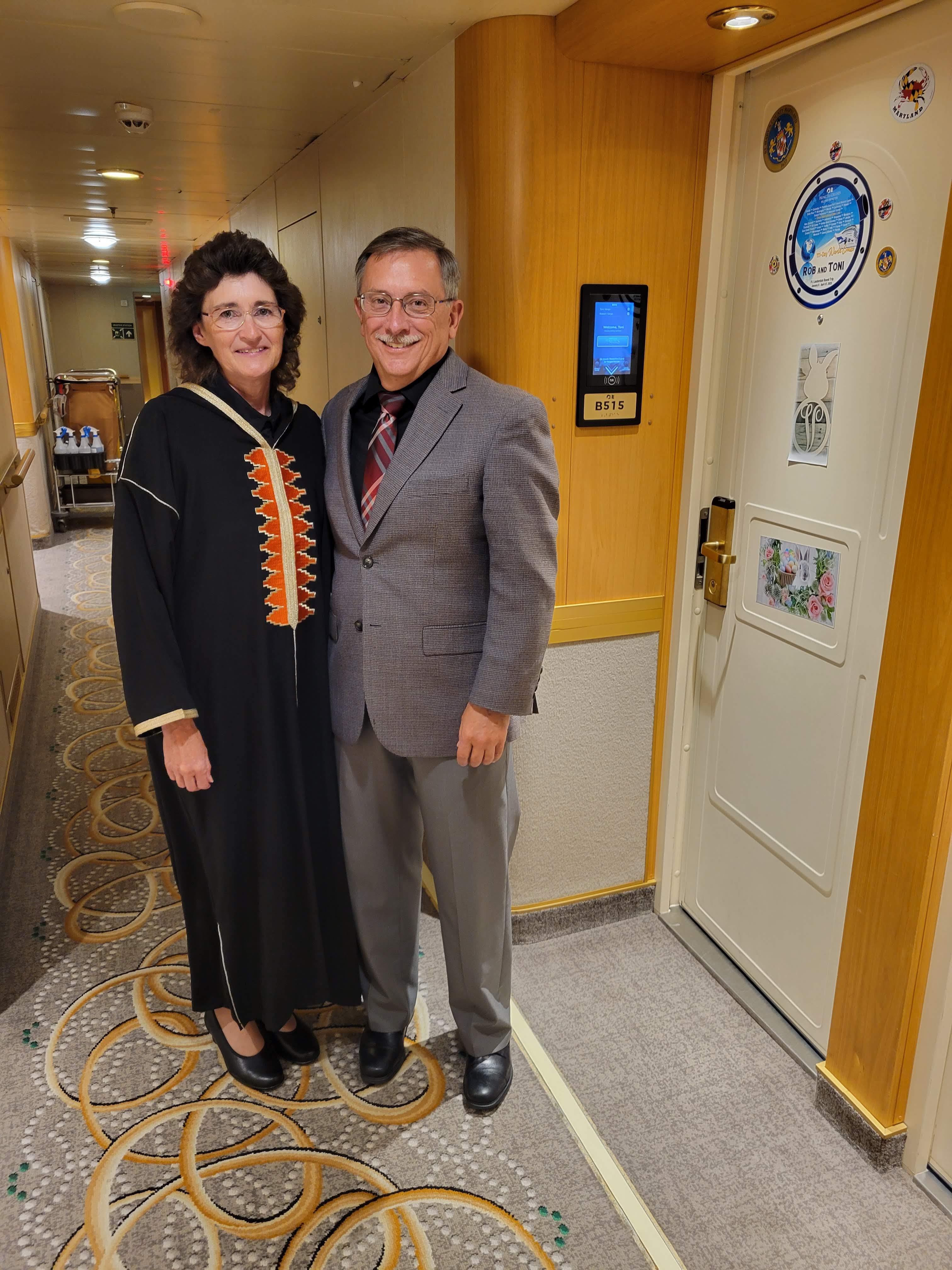


nice outfit
ReplyDelete